

Call us now
08045801563

 Send Inquiry
Sodium Hypochlorite
MOQ : 100 Kilograms
Sodium Hypochlorite Specification
- Chemical Name
- Sodium Hypochlorite
- Other Names
- Liquid Bleach, Antiformin
- Type
- Inorganic Compound, Oxidizing Agent
- Application
- Disinfection, Water Treatment, Bleaching, Sanitization
- Application Method
- Dilution in water; direct dosage; spraying
- Feature
- Strong oxidizing property; effective bactericide; quick action
- Appearance
- Clear pale yellow to greenish liquid
- Raw Material
- Chlorine, Sodium Hydroxide, Water
- Physical State
- Liquid
- Usage
- For cleaning, disinfecting, bleaching and odor removal purposes
- Solubility
- Soluble in water
- Compatibility
- Incompatible with acids, ammonia, and reducing agents
- UN Number
- UN1791
- Hazard Class
- Class 8 (Corrosive)
- Storage Temperature
- Cool, dry place, away from sunlight
- Stability
- Stable when stored properly; decomposes on exposure to heat and light
- Packing
- HDPE Drum, Carboys, Bulk Tanker
- Boiling Point
- Decomposes before boiling
- Decomposition Products
- Sodium Chloride, Oxygen, Chlorine
Sodium Hypochlorite Trade Information
- Minimum Order Quantity
- 100 Kilograms
- Payment Terms
- Cheque
- Supply Ability
- 100 Kilograms Per Day
- Delivery Time
- Hours
- Sample Available
- Yes
- Sample Policy
- Free samples are available
- Packaging Details
- Standard Packing.
- Main Domestic Market
- All India
About Sodium Hypochlorite
We provide premium quality Sodium Hypochlorite in various pack sizes. This chemical compound identified with the chemical formula NaClO is the sodium salt of hypochlorous acid. It is popularly known as bleach or liquid bleach when dissolved in water. The industrial use of Sodium Hypochlorite is many with its major use being usage as a disinfectant or as a potent bleaching agent. Thus, this compound is extensively demanded across major sectors and we readily cater to this demand by supplying this product at an extremely affordable price. The range we offer is also utilized in the field of water purification and water disinfection.
Versatile Disinfectant and Oxidizing Agent
Sodium Hypochlorite stands out for its rapid and effective action against bacteria, viruses, and other pathogens. Its strong oxidizing nature makes it a go-to solution for public health, industrial sanitation, and large-scale water treatment operations. Easy solubility in water allows various application methods, including dilution, spraying, and direct dosage, catering to different cleaning and disinfecting needs.
Safe Handling and Proper Storage
For optimal performance and safety, Sodium Hypochlorite must be handled with care. It should be stored in a cool, dry place away from sunlight and heat sources to ensure stability, as exposure may lead to decomposition. The chemical is classified under Hazard Class 8 (Corrosive) and transported under UN1791, underscoring its need for proper containment and diligent safety practices.
FAQs of Sodium Hypochlorite:
Q: How should Sodium Hypochlorite be stored to maintain its stability?
A: Sodium Hypochlorite should be kept in a cool, dry place away from sunlight and sources of heat. Proper storage in appropriate containers such as HDPE drums or carboys helps preserve its stability and prevents decomposition.Q: What are the main uses of Sodium Hypochlorite in industrial and domestic applications?
A: Sodium Hypochlorite is widely used for disinfecting surfaces, water treatment, bleaching textiles, sanitizing equipment, and removing odors. Its strong oxidizing properties and rapid action make it suitable for various cleaning and public health purposes.Q: When does Sodium Hypochlorite decompose, and what are its byproducts?
A: Sodium Hypochlorite decomposes upon exposure to heat or sunlight, releasing sodium chloride, oxygen, and chlorine as decomposition products. This process also occurs if it is mixed with incompatible substances.Q: Where is Sodium Hypochlorite typically supplied and what packaging is used?
A: Manufacturers, suppliers, and traders in India offer Sodium Hypochlorite in secure packaging such as HDPE drums, carboys, and bulk tankers to ensure safe transport and handling.Q: What substances is Sodium Hypochlorite incompatible with, and why is this important?
A: Sodium Hypochlorite should not be combined with acids, ammonia, or reducing agents, as such mixtures can cause dangerous reactions or release toxic gases. Careful compatibility assessment is critical for safe usage.Q: How is Sodium Hypochlorite usually applied for cleaning and disinfection?
A: It can be diluted in water, sprayed directly, or dosed as needed for cleaning, disinfection, bleaching, or sanitization processes, adapting easily to both large-scale and small-scale requirements.Q: What benefits does Sodium Hypochlorite offer over other disinfectants?
A: Its significant bactericidal strength, quick action, and versatility in use make Sodium Hypochlorite a preferred choice for effective and reliable disinfection, water treatment, and odor control.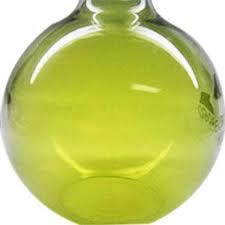
Tell us about your requirement

Price:
Quantity
Select Unit
- 50
- 100
- 200
- 250
- 500
- 1000+
Additional detail
Mobile number
Email


PERFECT ACID & CHEMICALS
GST : 24AAEFP0534C1ZW
GST : 24AAEFP0534C1ZW
Plot No.:4801/A/4, GIDC, Near Lyka Labs Ltd.,Ankleshwar - 393002, Gujarat, India
Phone :08045801563
 Send Inquiry
J.K Marketing
Plot Number-6110/A/1 G.I.D.C, Ankleshwar
Plot Number-6110/A/1 G.I.D.C, Ankleshwar
 Send Inquiry
 Send SMS
PERFECT ACID & CHEMICALS
All Rights Reserved.(Terms of Use)
Developed and Managed by Infocom Network Private Limited.
Developed and Managed by Infocom Network Private Limited.

